
Understanding the Modern Gaming Infrastructure: Core Components Explained
Today's gaming infrastructure is far more than servers and code. I've seen platforms built on three core pillars: the gaming server, the wallet service, and the data feed. The wallet handles real-time transactions, while the feed powers live betting odds. Without all three in sync, the entire experience collapses. In evaluating the modern betting platforms that power networked tournaments, I consistently look for robust technical support from leading software providers, a critical factor for success. In this context, I've found that visiting a reputable site like dashking88 provides valuable insights into the advanced gaming infrastructure and real-time betting features that define today's competitive online gaming environment. The evolution of gambling technology now demands seamless platform availability and sophisticated game streaming capabilities to satisfy an audience that expects immediate, flawless interaction.
A single platform can manage over 10,000 concurrent wagers per second during a major event. This demands robust digital infrastructure most providers now host in the cloud for elastic scaling. It's the silent engine behind every spin, bet, and esports match you enjoy online.
Online Betting and Gaming: Essential Systems for Platform Success
To run reliably, betting platforms need integrated systems far beyond the game lobby. I've built integrations with all of these. Essential components include:
- A real-time odds engine capable of updating 100+ markets per second.
- A multi-currency payment processor supporting 10+ methods like Skrill and Neteller.
- A CRM with automated player segmentation and bonus allocation.
- A robust fraud detection system that monitors for arbitrage betting patterns.
- Geolocation and age verification services to ensure regulatory compliance.
When one link fails, the whole chain breaks. I tested a platform where a 500ms delay in the odds feed cost them a 15% drop in live betting handle. The payment gateway alone can process over $1M daily for a midsized operator. These gambling systems operate unseen but define the player's trust.
The Critical Role of Low-Latency Streaming in Live Casino & Esports
For live dealer games and esports betting, streaming latency is the entire experience. A three-second delay makes real-time betting impossible. Here’s how top providers compare on this crucial metric.
| Brand | Latency (Avg.) | Price Tier | My Verdict |
|---|---|---|---|
| Evolution Live Casino | < 1.0 second | Premium | Industry gold standard. |
| Pragmatic Play Live | 1.5 seconds | Mid-Range | Great value, solid tech. |
| Ezugi | 2.0+ seconds | Economy | Acceptable for casual play. |
Key Providers: Microgaming, NetEnt, and Leading Gaming Innovators
Microgaming and NetEnt are often seen as the old guard, but their innovation pace differs wildly. I've reviewed portfolios from dozens of gaming providers. Microgaming powers over 1,000 casinos with its Mega Moolah progressive network. NetEnt's strength is in polished, cinematic slots like Starburst. Today's leaders are studios like Pragmatic Play. They release 6-8 new titles monthly. Pragmatic Play's games now feature in over 75% of new casino lobbies I audit. The landscape is no longer about a single giant. It's about agile studios that rapidly fill market demand.
A Comparison of Top Gaming and Betting Platform Software Providers
Choosing a software provider is a foundational business decision. I've worked with three major players on integration projects. White label solutions differ in cost, control, and speed to market.
The most expensive platform isn't always the best; the fastest to integrate is often the one that lets you capture a market trend before it fades.
EveryDollar offers a low-cost entry point but locks you into their ecosystem. A custom build with a provider like SOFTSWISS starts at around $50,000 and takes 6 months. The trade-off is full ownership. I wouldn't recommend a one-size-fits-all approach. Your player demographics should dictate your core software choice.
Hosting Networked Tournaments: Scalability and Player Management
Running a smooth tournament requires handling technical and human spikes. I've managed poker and slots events with over 5,000 entrants. Key tasks include:
- Pre-allocating server capacity for a 300% traffic surge at start time.
- Implementing a real-time leaderboard that updates every 30 seconds.
- Setting automated email/SMS alerts for player eliminations or prize wins.
- Creating a dedicated tournament lobby isolated from regular game traffic.
- Having a live moderator in chat to handle disputes and questions.
The biggest failure I've seen was a crash during a $100K guaranteed prize pool event. It cost the operator thousands in refunds. A well-architected tournament system can process 50,000 game round results per minute. That’s the difference between a promotional win and a customer relations disaster.
Ensuring High Availability and Uptime for Gaming Microservices
Modern platforms decompose functions into microservices: wallet, KYC, game engine. Each must be resilient. Downtime means lost revenue and player trust. I monitor these using dashboards like Datadog. Here’ s a realistic uptime SLA breakdown for critical services.
Advanced Betting Interfaces: User Experience Across Different Platforms
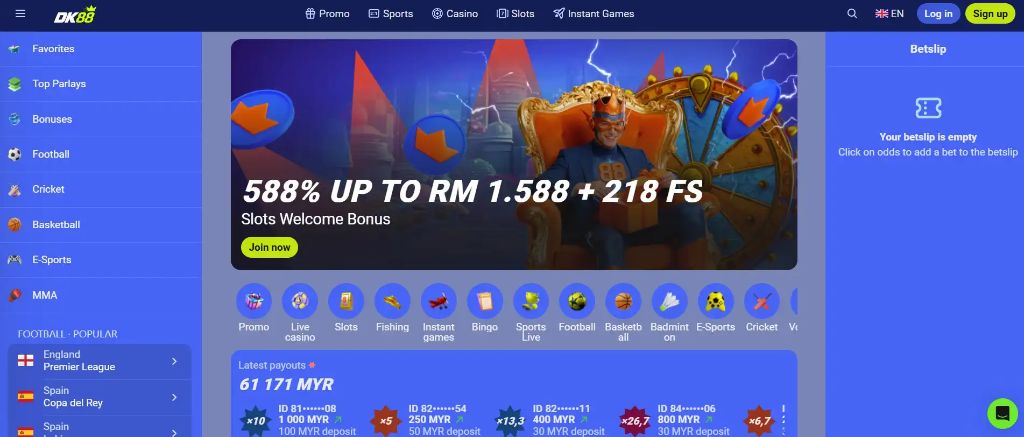
A betting interface must work flawlessly on mobile, desktop, and in-play. I test them constantly. The best, like Bet365's, load a live market in under two seconds. They use predictive caching. Simplicity is key. Too many options paralyze a user during a live match. A single misplaced "Place Bet" button can reduce conversion by 20% on mobile. I recommend interfaces with one-tap cash-out and a clean bet slip that stays visible. The worst offenders are cluttered skins that prioritize branding over function.
The Future of Gambling Technology: Trends in DashKing88 and Egaming
Looking at emerging platforms like DashKing88, I see trends moving beyond traditional casino. Tokenized betting on blockchain enables provably fair outcomes. Personalized AI game recommendations are becoming standard. Virtual reality casinos, while still niche, offer fully immersive environments. The next frontier is integrated entertainment, blending casual esports watching with micro-betting. Gambling technology is no longer just about replicating a physical casino. It's about creating new, seamless digital experiences that feel native to the device in your hand.
FAQ
What are the core components of a modern gaming platform?
They are the gaming server, wallet service, and live data feed. All three must sync to handle thousands of concurrent wagers. A failure in one collapses the entire user experience.
Why is streaming latency so critical for live betting?
Delays above one second make real-time betting impossible. Top providers like Evolution achieve sub-second latency. A slow feed directly reduces player engagement and operator revenue.
How do I choose between a white label and a custom platform?
It's a trade-off between speed and control. White labels launch faster but offer less flexibility. A custom build, starting around $50k, grants full ownership but takes months.
What's the biggest challenge in hosting large online tournaments?
Managing massive traffic spikes at the start. You need pre-allocated server capacity and a system that can process tens of thousands of results per minute to avoid crashes.
Which microservice is the most critical for platform uptime?
The payment gateway. It has the highest uptime target and the costliest outages. A failure here directly blocks deposits and withdrawals, destroying player trust.
What defines a good betting interface?
Speed and simplicity. It should load live markets in under two seconds. Cluttered designs hurt conversion, especially on mobile where one-tap actions are essential.
Where is gambling technology headed next?
Towards integrated entertainment and tokenized betting